


17 Jul Flood Remediation After Burst Pipes and Sewerage Backups
Few things are more stressful than discovering water pouring through your home from a burst pipe or, even worse, dealing with a sewerage backup. While your first instinct may be to clean up the visible water, the real danger often lies beneath the surface.
Flood remediation is about far more than drying wet carpet. It involves removing contaminated water, preventing mould growth, protecting your home’s structure, and restoring a safe, hygienic living environment.
If you’ve experienced a burst pipe or sewerage overflow, acting quickly is essential.
Burst Pipes Can Cause More Damage Than You Think
A burst pipe can release hundreds of litres of water into your home in a very short period.
That water quickly spreads through:
- Carpet fibres
- Underlay
- Timber flooring
- Concrete slabs
- Skirting boards
- Wall cavities
Even after the visible water has been removed, moisture often remains hidden beneath the surface.
Without proper flood remediation, trapped moisture can continue damaging your home long after the initial leak has been repaired.


Sewerage Backups Are a Serious Health Hazard
Not all floodwater is the same.
Water from a sewerage backup contains harmful contaminants including:
- Bacteria
- Viruses
- Parasites
- Human waste
- Dangerous pathogens
Unlike clean water from a burst tap, sewerage-contaminated water poses significant health risks and requires specialist treatment.
Exposure can increase the risk of:
- Gastrointestinal illness
- Skin infections
- Respiratory problems
- Cross-contamination throughout the home
Professional flood remediation is essential following any sewerage overflow to ensure your home is properly sanitised and safe to occupy.
Why Simply Drying the Carpet Isn’t Enough
Many homeowners assume that once the carpet feels dry, the problem has been solved.
Unfortunately, that’s rarely the case.
Water can remain trapped:
- Under the carpet
- Inside the underlay
- Within timber framing
- Behind skirting boards
- Inside wall cavities
This hidden moisture creates the perfect conditions for mould growth.
Without professional flood remediation, mould can begin developing within as little as 24 to 48 hours.
The Hidden Costs of Delaying Flood Remediation
Waiting too long to address water damage can dramatically increase repair costs.
Delays may lead to:
- Mould growth
- Persistent damp odours
- Timber swelling and warping
- Carpet delamination
- Damage to plasterboard
- Structural deterioration
The sooner professional flood remediation begins, the greater the chance of saving your flooring and reducing long-term repair costs.
Why Professional Equipment Makes All the Difference
Household wet vacuums and fans simply aren’t designed to handle significant water damage.
Professional flood remediation uses specialised equipment capable of:
- Rapid water extraction
- Moisture detection
- High-powered drying
- Air movement
- Dehumidification
- Sanitisation of affected areas
This ensures moisture is removed not only from the surface, but also from the hidden areas where long-term damage occurs.

How Devine Cleaning Restores Homes After Water Damage
At Devine Cleaning, we provide professional flood remediation services across Sydney, including the Northern Beaches and North Shore.
Whether you’ve experienced a burst pipe, stormwater intrusion, or sewerage backup, our team responds quickly to minimise damage and begin the restoration process.
Our flood remediation process includes:
Immediate Water Extraction
Using professional extraction equipment, we remove standing water from carpets and affected flooring as quickly as possible.
Thorough Moisture Assessment
Hidden moisture is identified to ensure no affected areas are overlooked.
Professional Drying
Specialised drying equipment helps remove moisture from carpets, underlay, and structural materials.
Sanitising and Deodorising
Where required, affected areas are professionally sanitised and deodorised to eliminate bacteria, contaminants, and unpleasant odours.
Ongoing Monitoring
We ensure the drying process is complete before the restoration is considered finished, helping reduce the risk of future mould growth.
Our goal is not simply to dry your carpet, but to restore your home safely and thoroughly.
Signs You Need Immediate Flood Remediation
If you’ve experienced a burst pipe or sewerage overflow, don’t wait for visible damage to appear.
Common warning signs include:
- Wet or squelchy carpet
- Damp or musty smells
- Water stains on walls or skirting boards
- Buckling timber floors
- Increased indoor humidity
- Visible mould beginning to appear
The earlier professional intervention begins, the better the outcome.
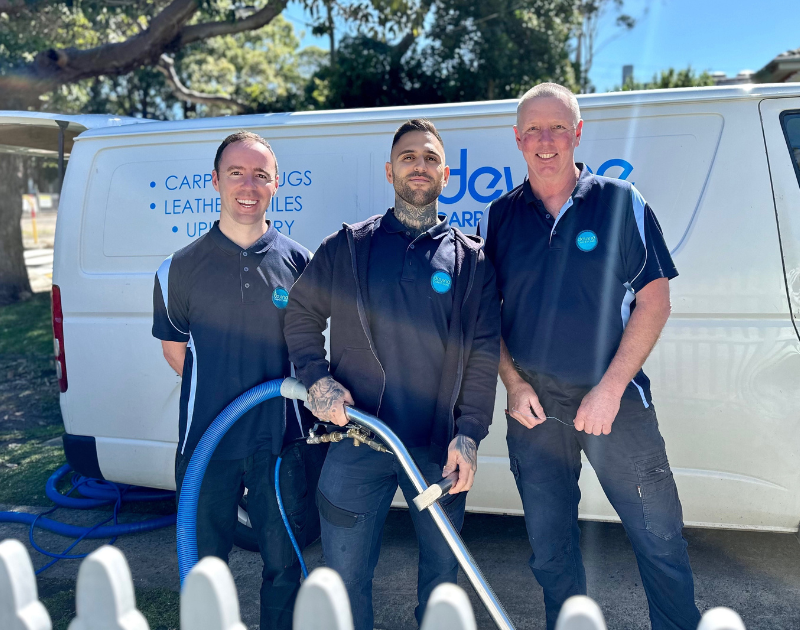
Fix Flood Damage With Devine Carpet Care – Contact Them Here Request a Quote Today
Whether it’s a burst pipe in the middle of the night or an unexpected sewerage backup, water damage should never be underestimated.
Devine Cleaning
✔ Sydney-wide service
✔ Northern Beaches tile cleaning specialists
✔ 40+ years of experience
✔ Fast, friendly & meticulous
If you’ve experienced water damage anywhere in your home, contact Devine Cleaning immediately. Our experienced team is ready to respond quickly and help restore your home safely and efficiently.
Flood Remediation Sydney – Frequently Asked Questions
[sc_fs_multi_faq headline-0=”h2″ question-0=”How quickly should flood remediation begin after a burst pipe?” answer-0=”Immediately. Water begins soaking into carpets, underlay, walls, and flooring within minutes. Professional flood remediation should ideally begin within the first 24 hours to minimise damage and reduce the risk of mould growth.” image-0=”” headline-1=”h2″ question-1=”Is sewerage-contaminated carpet safe to keep?” answer-1=”It depends on the extent of the contamination. Sewerage contains harmful bacteria and pathogens, so professional assessment is essential. In many cases, affected areas can be professionally treated, while severe contamination may require replacement.” image-1=”” headline-2=”h2″ question-2=”Can flood remediation prevent mould?” answer-2=”Yes. Fast water extraction, professional drying, and moisture monitoring significantly reduce the risk of mould developing. The key is acting quickly before moisture remains trapped beneath flooring or inside building materials.” image-2=”” count=”3″ html=”true” css_class=””]