


10 Apr Flood Damage Restoration Sydney: What to Do Fast
When water enters your home unexpectedly, the stress can be overwhelming. Flood damage can happen in minutes, but the consequences can last for months if not handled properly.
Whether it’s a burst pipe, stormwater intrusion, or an internal leak, acting quickly is critical. Understanding how to manage flood damage in those first crucial hours can make all the difference in protecting your home, your health, and your belongings.
What Causes Flood Damage in Sydney Homes
In Sydney, particularly across the Northern Beaches and North Shore, flood damage is often caused by:
- Heavy rainfall and storm events
- Blocked or overflowing drainage systems
- Burst pipes or plumbing failures
- Appliance leaks (dishwashers, washing machines)
- Roof leaks during storms
Coastal humidity and weather patterns can also slow drying times, increasing the risk of long-term flood damage if not treated correctly.

What to Do Immediately After Flood Damage
If you’re dealing with flood damage, the first 24 hours are critical.
Here’s what you should do straight away:
- Stop the source of water if possible
- Remove excess water using mops or towels
- Lift furniture off wet carpet or flooring
- Increase ventilation with fans and open windows
- Avoid walking on saturated areas unnecessarily
Most importantly, avoid delaying professional help. The longer flood damage is left untreated, the higher the risk of structural issues and mould growth.
Why Flood Damage Needs Professional Treatment
While it may be tempting to handle things yourself, flood damage is rarely just surface-level.
Water can quickly penetrate:
- Carpet fibres
- Underlay
- Timber flooring
- Subfloor structures
Without proper extraction and drying, moisture remains trapped beneath the surface.
This leads to:
- Persistent damp odours
- Mould and bacteria growth
- Structural weakening
- Health concerns for your household
Professional treatment ensures flood damage is properly assessed, extracted, and dried from the inside out.
The Hidden Risk: Mould After Flood Damage
One of the biggest dangers of untreated flood damage is mould.
Mould can begin developing within 24–48 hours in damp conditions, especially in Sydney’s humid climate.
Signs of mould risk include:
- Musty smells
- Discolouration on carpet or walls
- Increased allergy symptoms
- Persistent dampness
Proper drying and treatment are essential to prevent mould becoming a long-term issue following flood damage.

How Devine Cleaning Handles Flood Damage
At Devine Cleaning, we specialise in fast, effective flood damage restoration across Sydney, including the Northern Beaches, North Shore, and suburbs like Manly, Dee Why, Mona Vale, and Mosman.
Our approach includes:
- Rapid response to minimise further damage
- Professional water extraction using specialised equipment
- Targeted drying of carpets, underlay, and subfloor areas
- Treatment to prevent mould and odours
- Ongoing assessment to ensure complete drying
We focus on restoring your home safely, efficiently, and with minimal disruption.
Signs Your Home Needs Flood Damage Restoration
Not all water exposure is obvious. If you’ve experienced a leak or spill, watch for these signs of flood damage:
- Damp or squelchy carpet
- Lingering musty odours
- Visible water staining
- Warping or swelling of floors
- Increased humidity indoors
If you notice any of these, it’s best to act quickly before the issue worsens.
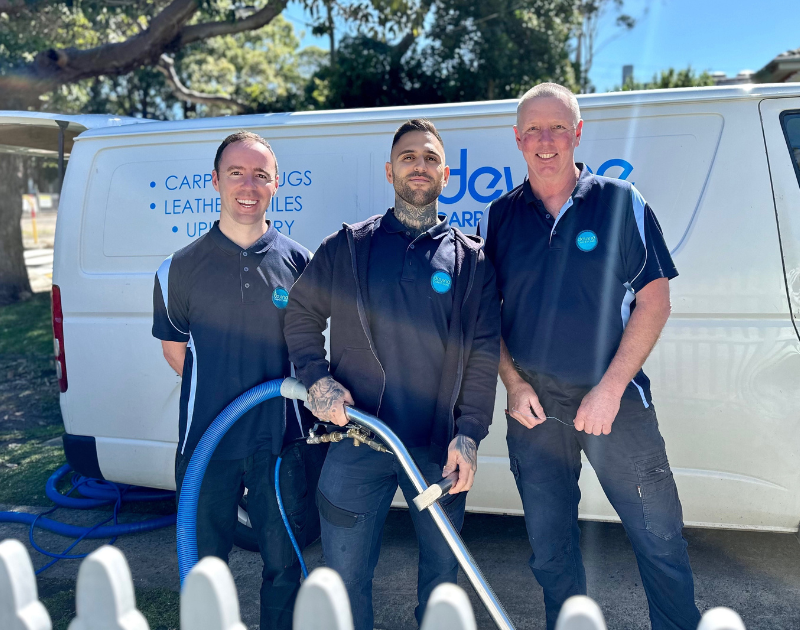
Need Help Fast? Call Devine Carpet Care
Or contact them here Request a Quote Today
Dealing with flood damage can be stressful, but taking the right steps early can prevent long-term issues. From protecting your flooring to avoiding mould, fast and professional intervention is key.
Devine Carpet Care
✔ Sydney-wide service
✔ Northern Beaches carpet cleaning specialists
✔ 40+ years of experience
✔ Fast, friendly & meticulous
If you’re experiencing flood damage in your home, Devine Cleaning is here to help. Get in touch today for immediate support or request a quote to restore your space safely and effectively.
Flood Damage Restoration – Frequently Asked Questions
[sc_fs_multi_faq headline-0=”h2″ question-0=”How quickly should flood damage be treated?” answer-0=”Flood damage should be treated immediately. The first 24 hours are critical to prevent mould growth and structural damage. The sooner professional extraction and drying begin, the better the outcome for your home.” image-0=”” headline-1=”h2″ question-1=”Can carpets be saved after flood damage?” answer-1=”In many cases, yes. With professional extraction and drying, carpets can often be restored. However, heavily contaminated or long-standing water exposure may require more extensive treatment or replacement.” image-1=”” headline-2=”h2″ question-2=”Does flood damage always lead to mould?” answer-2=”Not always, but the risk is high if moisture isn’t properly removed. Mould can begin forming within 24–48 hours in damp environments, which is why fast action is essential.” image-2=”” count=”3″ html=”true” css_class=””]